Every jangma (monsoon) season, the same texts arrive within hours of the first big downpour: "Water is coming UP out of the floor drain." Almost always a ground-floor or semi-basement unit — and the physics behind it decides what will actually help.
Why the lowest unit takes the hit
When rain overwhelms the public sewer, the water level in the mains rises. Every building drain is connected to that system, so the pressure looks for the lowest opening it can reach — which is the floor drain of whoever lives closest to the ground. Upstairs neighbors notice nothing; their outlets sit above the water line.
This matters because a rain-driven backup is NOT a clog. Clearing equipment cannot fix a full public main. Mid-event, the priorities are stopping your own water use (every liter you add comes back), blocking the drain if you safely can, and keeping electricity away from the water.
What prevention is real — and what is not
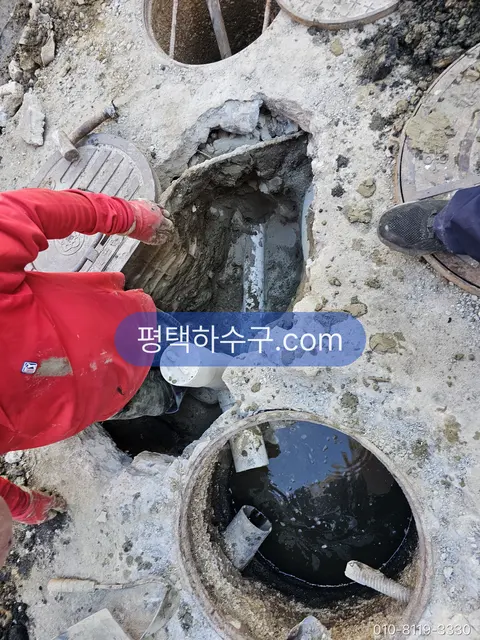
For units with a backup history, a backflow (check) valve on the drain line can genuinely help — IF the building layout suits it. We check the structure before recommending one, because a valve in the wrong configuration is money spent on false comfort. Sometimes sandbags and a floor-drain plug on stormy nights are honestly the better tool, and we will say so.
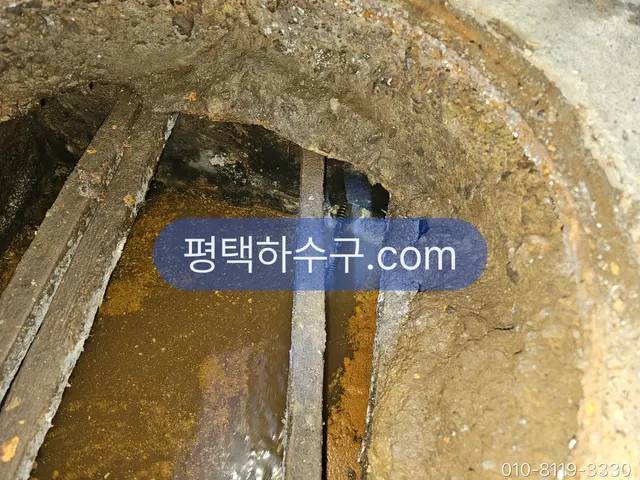
What also matters: clearing your own lines and yard drains BEFORE the season. A half-clogged private line turns a survivable storm surge into an indoor event. Dry-day maintenance in June beats emergency calls in July.
After the water goes down
Backed-up water is sewage-contaminated. Hard surfaces need proper washing and disinfecting; anything porous that soaked is a judgment call. Photograph everything before cleanup if a landlord or insurance conversation is coming — and if the backup keeps recurring, that pattern itself is your evidence for structural fixes on the landlord's side.
FROM THE FIELD
Do this now
- Stop ALL water use in the unit immediately
- Cut power to affected rooms at the breaker before wading in
- Block the drain with a plug or heavy plastic-wrapped weight if safe
- Photograph the water level, then text us — backups get priority
Sounds like your house? Photos beat descriptions — send what you're seeing.