"There's a sewage smell and we can't find where it's coming from" might be the most common non-emergency text we get — often within the first month of moving in. The good news: the usual cause costs nothing to fix. The catch: you need to know which cause you have.
The floor drain nobody warned you about
Korean bathrooms are wet rooms: the whole floor drains through a grated hole, and that drain connects to the sewer. What blocks sewer gas is a small water seal (a trap) inside it. If a drain goes unused — a second bathroom, a balcony drain, the floor drain in a laundry room — that water evaporates in a week or two, and the sewer now vents straight into your home.
The test costs one cup of water: pour it into every floor drain in the house, wait a few hours. If the smell fades, mystery solved — make it a routine for drains you rarely use. Long trips are why so many people come home from leave to a smelly apartment.
When the cup of water does not fix it
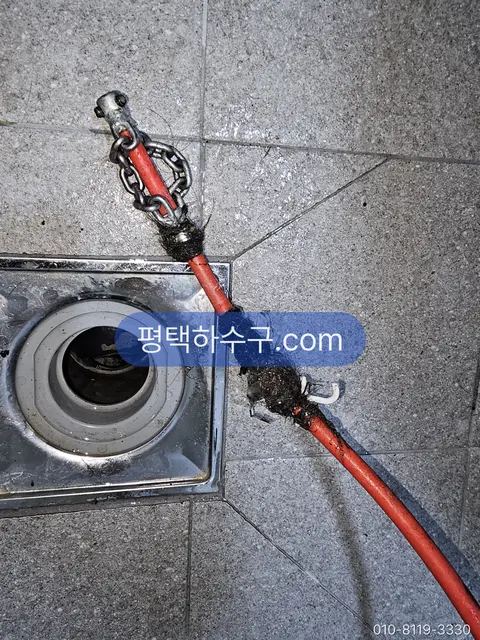
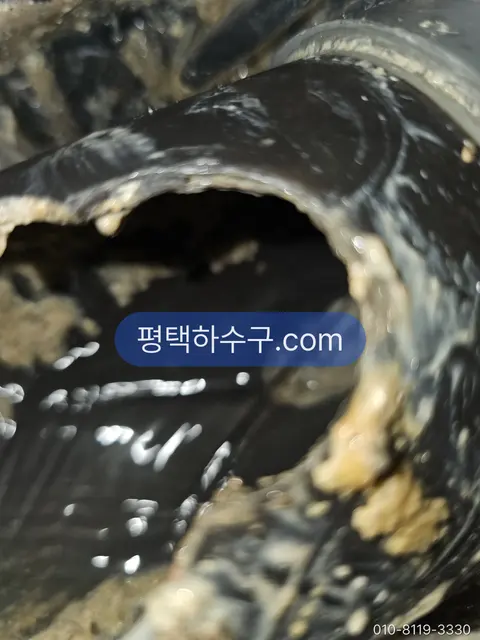
If the smell survives the trap test, the usual suspects are: a washing machine hose sitting loosely in its standpipe (gas escapes around it), a failed seal under the toilet, or a grease-coated kitchen line that smells even when it still drains. Each has a different fix, and guessing is how people end up paying for the wrong one.
We locate the actual source — smoke-testing drains, checking the toilet seal, scoping the line if needed — and show you. If it is the building stack rather than your unit, that is the management office's problem, and we will help you make that case.
FROM THE FIELD
Do this now
- Pour a cup of water into every floor drain, including ones you never use
- Check the washing machine hose sits snugly in its standpipe
- Note WHERE and WHEN it smells worst — mornings? after laundry? one room?
- Still smelly after the trap test? Text us the details
Sounds like your house? Photos beat descriptions — send what you're seeing.